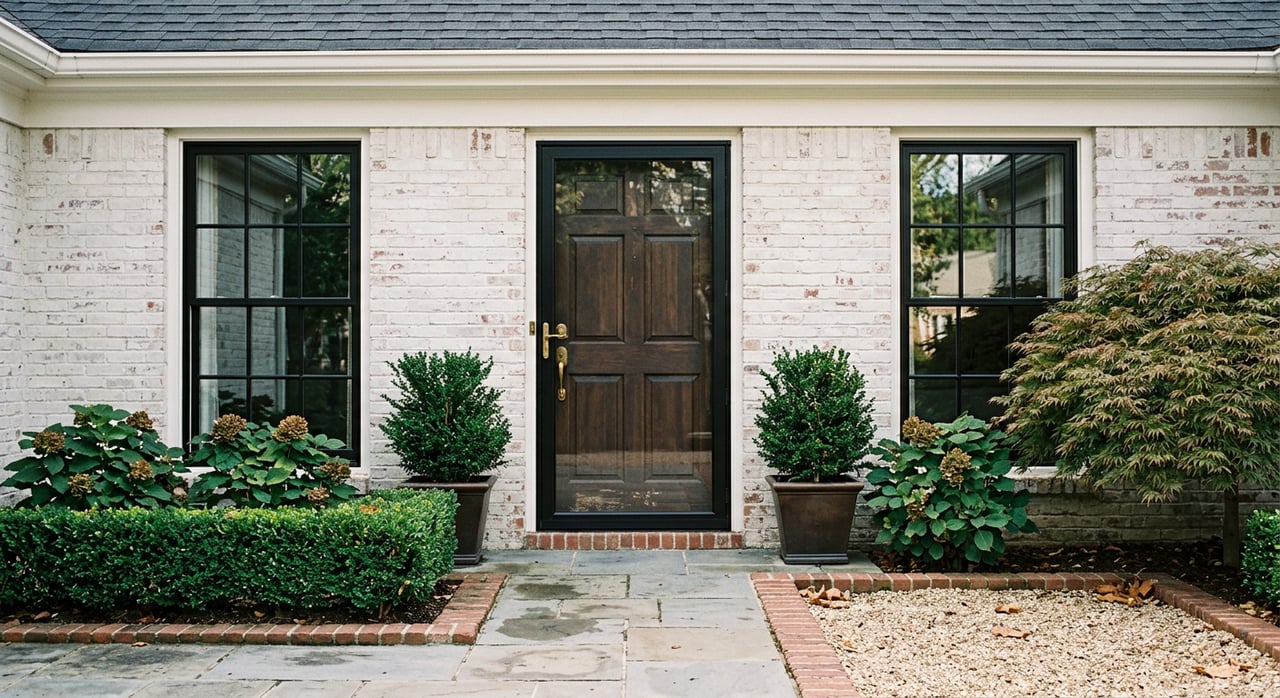
Picture yourself choosing between a stately brick home steps from Market Street or a modern estate with a clubhouse, trails, and golf nearby. Both offer a luxury lifestyle in Leesburg, yet the day-to-day feel is very different. If you value character and walkability, historic Leesburg may win your heart. If you prefer newer systems, large amenities, and HOA-managed ease, a master-planned community may be the better fit. This guide breaks down the tradeoffs so you can move forward with confidence. Let’s dive in.
Historic Leesburg: What it really means
In Leesburg, “historic” is more than a vibe. Many downtown addresses sit inside the Town’s H‑1 Old & Historic overlay, which adds design review for exterior changes and preservation of neighborhood character. If a home is in this overlay, visible exterior work usually needs a Certificate of Appropriateness, with some projects reviewed administratively and larger ones heard by the Board of Architectural Review. You can review the Town’s guidance and processes on the official page for the Old & Historic District and COA steps.
It helps to know that state and national historic listings are largely honorary. The local H‑1 overlay is what creates the actual review requirements for exterior changes. The overlay does not change base zoning such as uses, setbacks, or lot coverage.
Architecture and character
Historic district styles
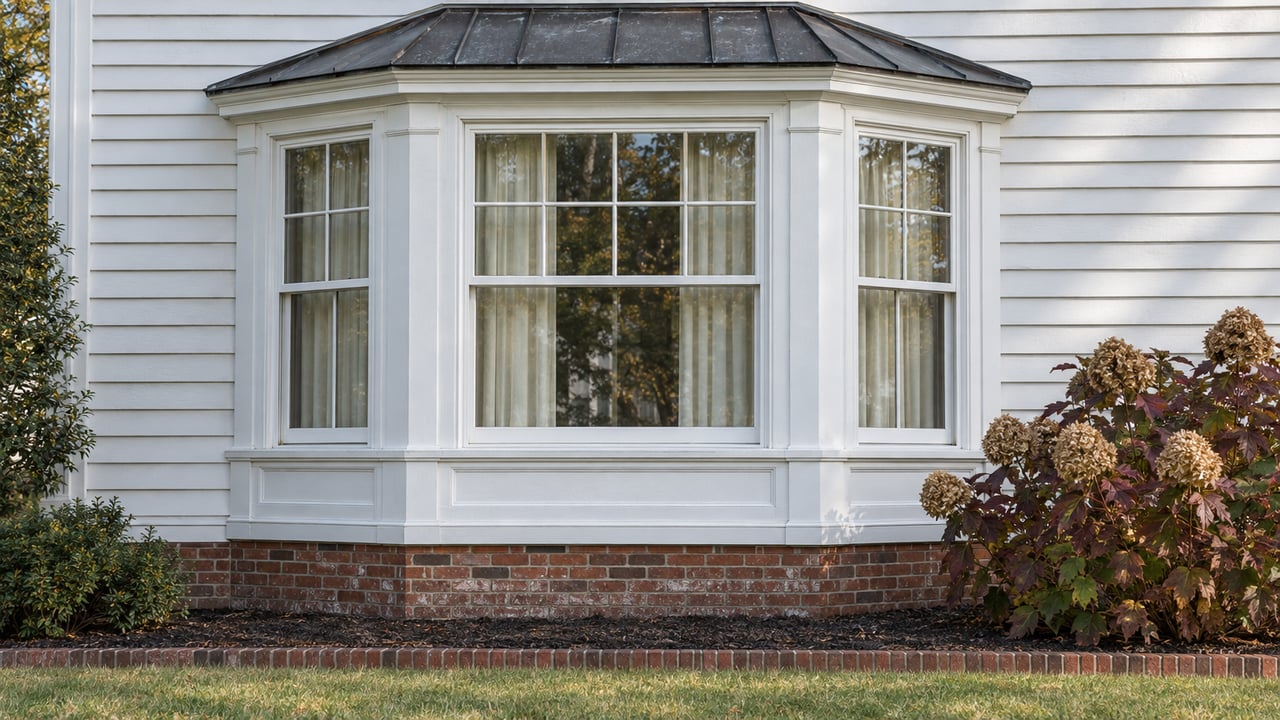
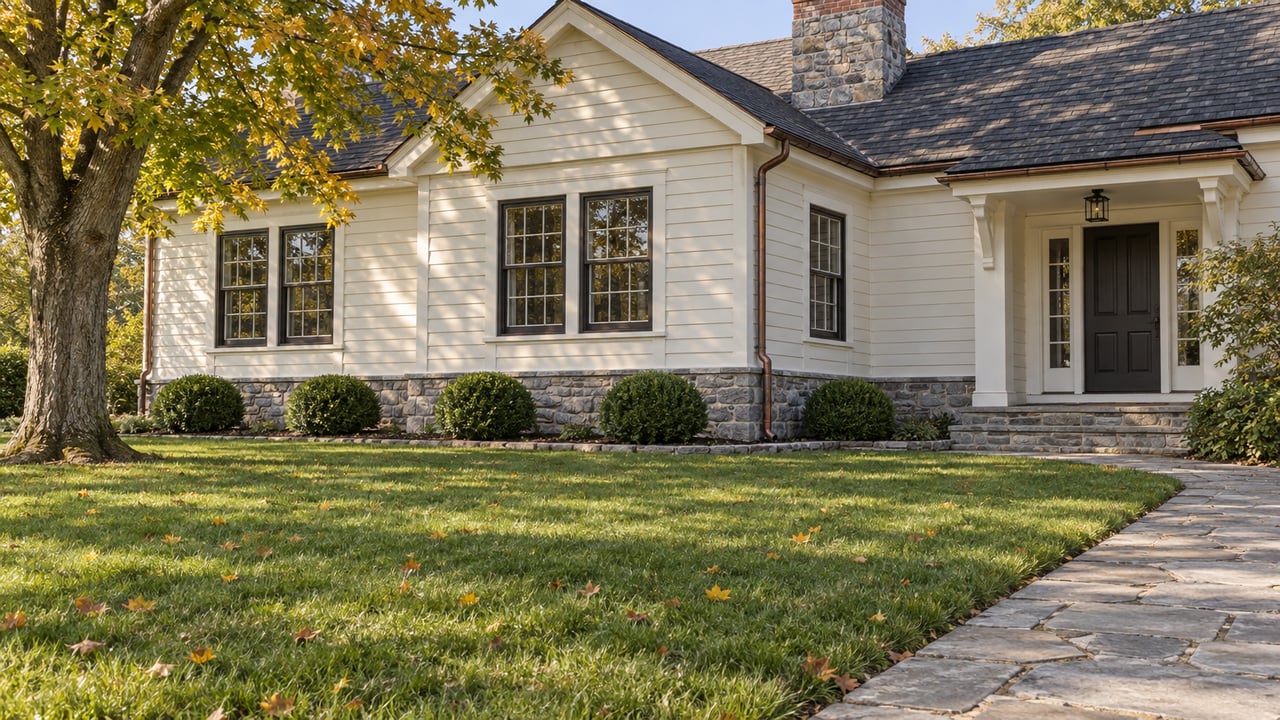
If you love history, the mix here is special. You will see Federal and Georgian details, Greek Revival porches, Victorian ornament, and Colonial or Colonial Revival updates. Larger nearby estates echo the region’s heritage, with notable examples such as Morven Park and Oatlands illustrating grand architecture and grounds.
What you feel on the street matters too. Downtown blocks are compact and walkable, with brick sidewalks, mature trees, and a fine-grained street grid that creates a true town-center experience.
Newer community aesthetics
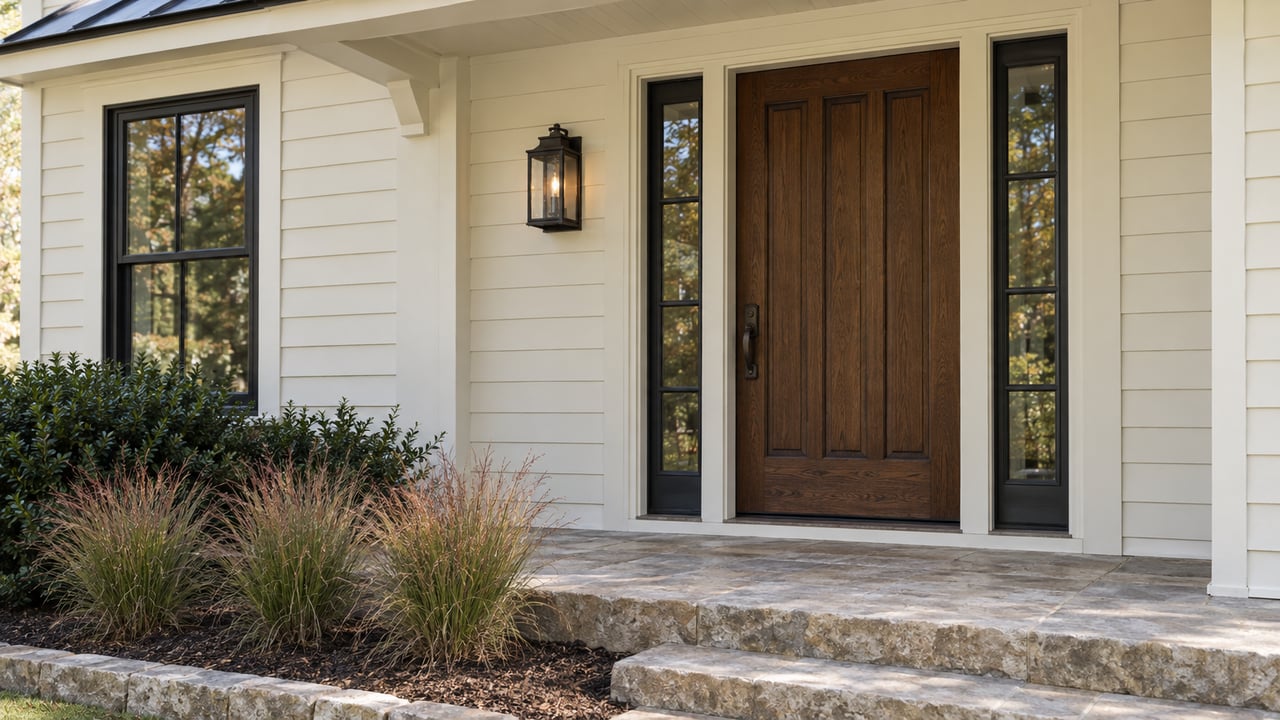
Newer luxury neighborhoods focus on modern floorplans, larger primary suites, open kitchens, and flexible work or fitness spaces. Streetscapes are consistent, with curated landscaping and lighting. Many communities integrate retail and dining nearby or offer a full amenity base, which creates a resort-like setting.
Lot size and outdoor space
Historic core and estates
- In the walkable downtown core, lots are smaller and oriented to the street grid. You might find attached or closely spaced homes with modest yards, courtyards, or garden patios.
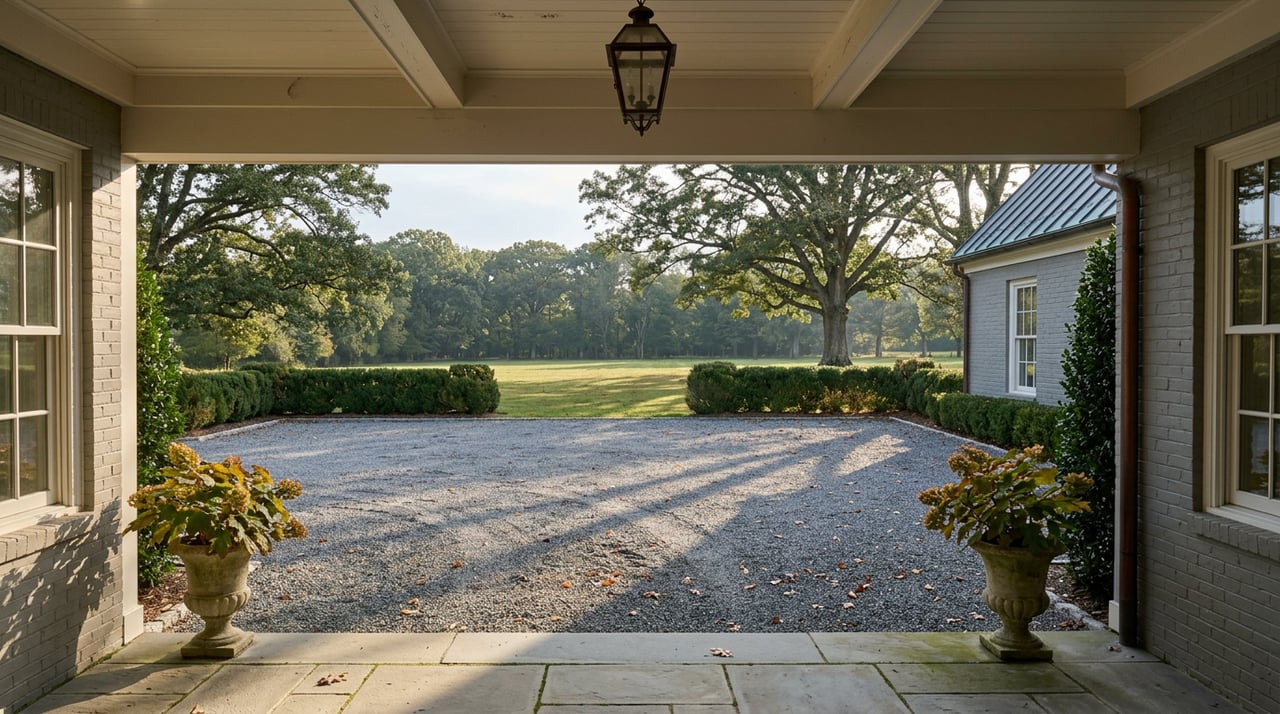
- On the town’s edges and in nearby historic or rural pockets, estates can span multiple acres. These properties trade proximity to downtown for privacy and grounds.
Because lot sizes vary widely by parcel, consider these patterns as typical rather than absolute. For any property, confirm acreage through county GIS or MLS data.
Newer master-planned neighborhoods
- Near town-center style shopping, you often see townhomes or single-family homes on compact lots, which keeps you close to retail and dining.
- Farther from the core, you will find larger single-family lots and, in some golf or resort sections, estate-scale parcels that emphasize space and views.
- As a loose guide, townhome lots commonly fall below 0.1 to 0.2 acre. Many planned single-family sections range around 0.12 to 0.4 acre or more, while estate and golf lots can exceed 0.5 to 1+ acre. Actual sizes vary by section, so verify specifics per listing.
Walkability and location
Downtown Leesburg walkability
If daily errands, dining, and coffee on foot rank high for you, historic Leesburg is compelling. Addresses near Market Street and King Street often return Walk Scores in the “Very Walkable” range. For example, a Market Street address shows a score in the 70s–80s on Walk Score, reflecting strong access to retail, services, and public amenities like libraries and museums. See a sample at 110 E Market St.
Newer community access
Planned town centers such as One Loudoun and Brambleton create a walkable core inside the community, though walkability can vary block by block. A sample address near One Loudoun rates as “Somewhat Walkable,” which reflects the area’s mixed-use design within a broader suburban setting. Check an example at Vyne at One Loudoun. If you commute, newer neighborhoods closer to Silver Line stations in the Ashburn area may offer quicker transit access.
Rules, renovations, and upkeep
Historic homes
With historic character comes stewardship. Original materials like wood windows, masonry, and plaster need specialized care. Older systems may require upgrades over time, and exterior changes visible from public ways are reviewed for compatibility under the H‑1 process. Before you budget any major project, review the Town’s design guidance and reach out early for a preliminary read on scope and feasibility. Start with the Town’s Old & Historic District and COA guidance.
You may see information about historic tax incentives. The federal Historic Tax Credit typically applies to income-producing properties and certified rehabilitations rather than most primary residences. If you are exploring a qualifying project, consult the NPS Technical Preservation Services tax incentive overview and a tax professional before assuming eligibility.
New communities and HOAs
HOAs handle common-area maintenance and manage amenities like pools, fitness centers, trails, and event programming. In gate-controlled, golf-oriented neighborhoods, you might also see clubhouse dining and private courses. River Creek in Leesburg, for instance, is a gated golf community known for its clubhouse and amenities, as profiled by the county’s business directory for the River Creek Club venue.
The tradeoff is governance. Exterior changes may need architectural review, landscaping can be regulated, and monthly or quarterly dues apply. Always request HOA documents, reserve studies, budgets, and recent meeting minutes so you understand costs, rules, and any planned assessments.
Resale and market outlook
Loudoun County has trended toward a more balanced market since 2024–2025. The Dulles Area Association of REALTORS April 2025 indicators report cites higher active listings and a county median sales price in the high 700s to 800s, with moderation in days on market compared to peak pandemic periods. These dynamics affect both historic and newer luxury segments. See the DAAR April 2025 market indicators report.
- Historic downtown resale: Value is supported by scarcity and the appeal of a walkable town center with authentic architecture. The buyer pool is focused on character and location, and may accept smaller yards or older systems. Design review can protect neighborhood integrity, which some buyers value, while adding steps for exterior upgrades.
- Newer luxury community resale: Demand is broad, driven by modern floorplans, newer mechanicals, and an amenity lifestyle. Liquidity can be strong in active markets, though competition among similar listings and appraisal sensitivity at the top tier may influence pricing. Preferred lots and views often command a premium.
Quick decision guide
Use this checklist to clarify what fits your lifestyle and goals.
If you are leaning historic Leesburg
- Prioritize a walkable, small-town lifestyle with dining, shopping, and services close by.
- Value architectural character and authentic materials over larger private yards.
- Budget for specialized maintenance and possible system upgrades.
- Confirm whether the property lies in the H‑1 Old & Historic overlay and review the COA process early using the Town’s Old & Historic resource.
- Hire an inspector familiar with older homes, and get estimates for roof, foundation, HVAC, windows, and any potential hazardous materials. For major rehabilitations, review NPS tax-incentive guidance and professional advice.
If you are leaning newer master-planned luxury
- Seek modern layouts, newer systems, and a low-maintenance exterior.
- Want amenities like pools, clubhouses, trails, and organized events.
- Accept HOA rules and monthly dues in exchange for a uniform streetscape and maintained common areas.
- Request full HOA documents, budgets, and reserve studies, and clarify what dues cover for exterior items.
- Tour amenities at different times to understand actual usage and noise levels.
For both paths
- Compare address-level Walk Scores to gauge daily convenience, then test routes on foot or by bike. A downtown example shows “Very Walkable” at 110 E Market St, while a One Loudoun address reads “Somewhat Walkable” at Vyne at One Loudoun.
- If a property is near the Potomac or Goose Creek, review floodplain maps and factor any flood insurance or mitigation into your budget.
- Align your pricing and timing expectations with the latest county and zip code trends. The DAAR April 2025 report is a helpful reference point.
Which lifestyle fits you best?
- Choose historic Leesburg if you want a home with story and soul, a front-porch connection to town life, and you are comfortable with stewardship and review for exterior changes.
- Choose a newer luxury community if you prefer modern function, planned recreation, and HOA-managed ease, and you want to spend weekends enjoying amenities rather than managing projects.
Either option can be a smart investment in Loudoun’s evolving market. The key is to match the architecture, maintenance profile, and location to how you actually live.
If you are weighing a sale or purchase, we can help you evaluate property-level details, estimate prep costs, and position your home for top results. Reach out to the Matt Elliott Home Selling Team to Request a Free Seller Consultation.
FAQs
What is the H‑1 Old & Historic overlay in Leesburg?
- It is a local zoning overlay that adds design review for exterior changes in Leesburg’s historic district. It requires a Certificate of Appropriateness for many visible exterior projects and protects neighborhood character. Learn more on the Town’s Old & Historic District page.
How walkable is downtown Leesburg compared to newer areas?
- Many downtown addresses score “Very Walkable,” such as 110 E Market St. Town-center sections of newer communities can be walkable by block, though broader areas tend to be car-dependent. See a sample at Vyne at One Loudoun.
What maintenance costs should I expect with a historic luxury home?
- Expect specialized care for original materials and possible system upgrades over time. Exterior changes may require review. For major work, consult the Town’s guidelines and consider the NPS tax-incentive overview if you plan a qualifying rehabilitation.
What do HOA fees usually cover in newer luxury communities?
- Coverage varies, but dues often fund common-area maintenance, pools, fitness centers, trails, and community events. Exterior changes typically require architectural review, so request full HOA documents, reserve studies, and recent meeting minutes before you buy.
Are golf and resort amenities available in Leesburg’s newer neighborhoods?
- Yes. Some communities offer clubhouse dining, private courses, and event programming. The county business listing for the River Creek Club venue highlights a gated golf environment with amenities.
How is the current market affecting resale in Leesburg?
- DAAR’s April 2025 indicators show rising listings and a county median price in the high 700s to 800s, with moderating days on market. This supports more balanced conditions for both historic and newer luxury homes. See the DAAR April 2025 report.
Can I get tax credits for renovating a historic home I live in?
- Federal credits generally target income-producing properties and certified rehabilitations. Programs for owner-occupied residences vary by state and require specific approvals. Review the NPS tax-incentive guidance and consult a tax professional.
How should I compare lot sizes across communities?
- Treat sizes as ranges and verify per listing. Downtown historic lots tend to be smaller, while estates can span multiple acres. In newer communities, townhomes and close-in single-family homes sit on compact lots, while resort or golf sections may offer 0.5 to 1+ acre parcels.