Thinking about selling your South Riding home but not sure where to start? You are not alone. Between HOA paperwork, pricing strategy, and shifting buyer expectations, the process can feel complex. This step-by-step guide breaks it into clear actions, highlights what local buyers care about, and helps you move from prep to closing with confidence. Let’s dive in.
South Riding market at a glance
South Riding continues to draw buyers who value community amenities, commuter access, and nearby schools. As of January 2026, the median sale price sat around $672,000 and median days on market hovered near the 50-day mark, according to the latest snapshot from Redfin’s South Riding market data. Always check live MLS-linked resources before you list since numbers shift month to month.
Buyers here often prioritize three things: proximity to commuter routes and transit, access to neighborhood amenities, and school assignment. If your listing copy and visuals speak to those points, you will stand out.
Gather your required documents
Getting your paperwork in order early prevents delays once you are under contract. Start with these essentials.
Virginia disclosures
Virginia requires sellers to provide the Residential Property Disclosure Statement and certain other statutory notices. Review the state’s guidance on the Virginia DPOR Residential Property Disclosures. While Virginia uses a buyer-beware framework, you must answer buyer questions truthfully and cannot conceal known defects. Complete these forms before you go live.
HOA and resale packet
Most South Riding homes are part of the South Riding Proprietary or a related sub-association. Buyers will expect a current resale package with bylaws, rules, budgets, and known violations. Order it as soon as you plan to list. Under Virginia law, the association must deliver the resale certificate within statutory deadlines, and buyers typically receive a short cancellation period after delivery. Review the timing language in the recent statute update on resale certificate delivery and cancellation rights. For community details and contacts, visit South Riding Proprietary’s website.
Other disclosures and helpful docs
- Lead-based paint disclosure for homes built before 1978, per the DPOR guidance above.
- Permits and receipts for major renovations and mechanical replacements.
- Warranties, service records, and recent utility bills.
- Any HOA violation history or notices you have received.
4 to 6 week pre-listing plan
A short, focused prep window can lift your price and shorten time on market. Here is a practical timeline you can adapt.
Week 1: assess and plan
- Walk your home with a trusted advisor to prioritize fixes that could derail financing or raise appraisal concerns.
- Consider a pre-listing inspection to uncover issues before buyers do. A pre-inspection helps you decide whether to repair, credit, or price accordingly. Learn more from this overview of pre-listing inspection pros and cons.
- Order the HOA resale packet now to avoid contract delays.
Weeks 2 to 3: repair smart
- Tackle safety and system items first: roof leaks, HVAC, electrical, and plumbing.
- Fix water management problems such as grading or gutter issues that show up in inspections.
- Close known permit gaps for past work when possible. Unpermitted work often becomes a negotiation snag.
Weeks 3 to 4: stage and shoot
- Staging helps buyers visualize the space and often shortens days on market. See insights from NAR’s staging resources.
- Declutter, depersonalize, and neutralize. Think clean counters, simple decor, and open floors.
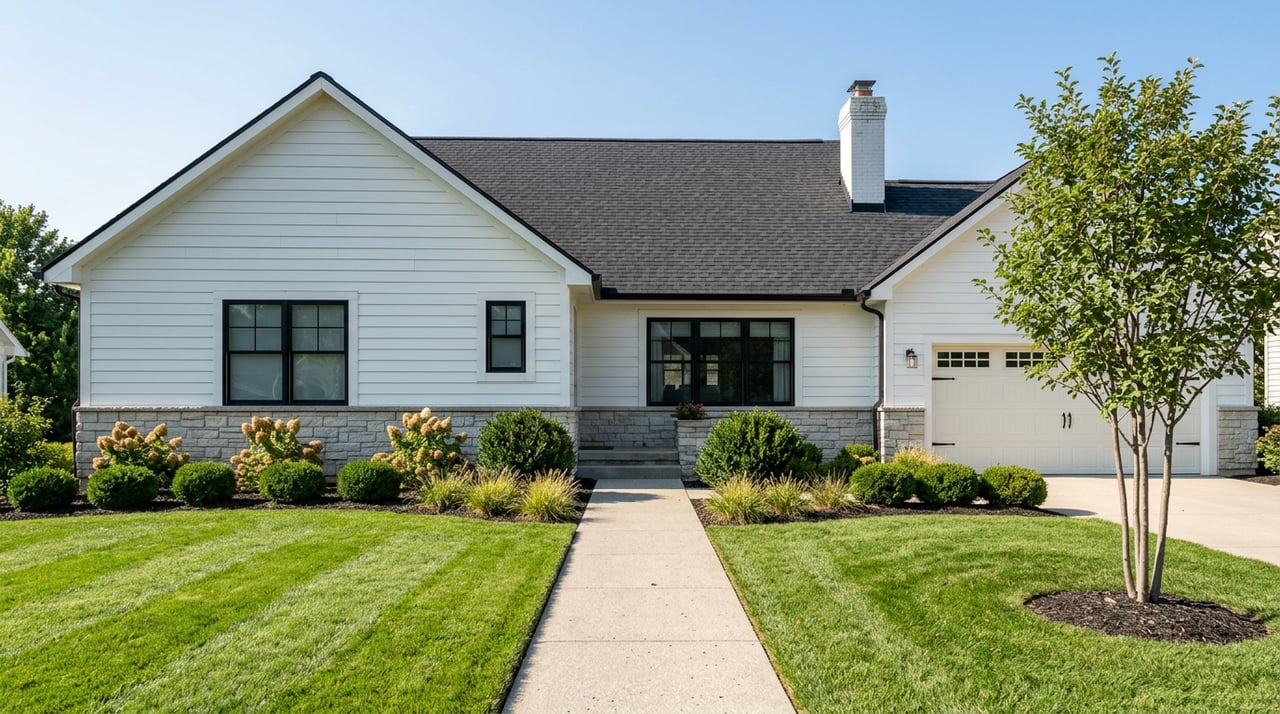
- Prep for photos: sparkling windows, fresh mulch, trimmed landscaping, and updated exterior bulbs. Aim for a hero kitchen shot, inviting owner’s suite, and standout outdoor spaces.
Curb appeal checklist
- Edge and mulch beds, mow, and trim hedges.
- Paint or refresh the front door hardware and lighting.
- Power wash walkways and clean the garage door.
- Remove personal photos and pet items for showings.
Price and select the right partner
Build a data-backed price
Price to recent local closed sales, not just active listings. In South Riding, adjustments often hinge on finished basement space, lot position, garage count, updates, and HOA access. Use current neighborhood comparables and confirm timing with live metrics from Redfin’s South Riding market page.
Hire for results
Interview agents on South Riding experience, marketing plan, and estimated net proceeds. Ask to see a sample listing package with professional photography, video, and amenity storytelling. Sellers in surveys cite pricing advice, marketing exposure, and negotiation skill as top needs. Choose a partner who brings a clear plan and accountability.
Decide buyer-broker compensation
Commission practices are evolving nationally and within local MLS rules. Many sellers still offer buyer-broker compensation to broaden exposure, but you have options. Discuss strategy with your listing agent early and confirm current rules. For background on industry changes, see this explainer on recent commission practice shifts.
Market what South Riding buyers want
Schools and verification
Many buyers start their search by checking school assignment. If school proximity is a selling point for your home, include a line that prompts buyers to verify by address using the Loudoun County Public Schools Locator. Keep language neutral and factual.
Commute and transit access
Call out drive times to major job centers using familiar routes like Route 50, VA-28, and the Dulles Toll Road. If relevant, note nearby park-and-ride options and commuter buses. You can link schedules and park-and-ride information from Loudoun County Transit.
Amenities that matter
South Riding’s pools, trails, sport courts, and community events attract buyers. If your home sits near a pool, playground, Town Green, or the golf club, mention it in the first few lines of your description. For an accurate list, reference the community’s amenities overview.
Listing copy and visuals
- Lead with two lines that connect your home to buyer priorities: commute time, nearby amenities, and verified school information.
- Include a concise HOA highlight such as common-area care, trash service, and community events. Note if your property pays only the master HOA or an additional village fee.
- Add a simple map graphic in marketing pieces to show commute corridors and local amenities.
Showings, offers, contingencies
Smooth showings
Keep your home show-ready with a simple daily routine. Lights on, blinds open, temperature comfortable. Remove pets for all showings and secure valuables. Offer flexible showing windows during the first 7 to 10 days to build momentum.
Compare offers the right way
Look beyond the headline price. Weigh net proceeds after credits, closing help, and timing. Review contingencies such as inspection, financing, and appraisal, and consider proof of funds or a strong pre-approval. Non-price terms like rent-back, waived contingencies, or a quick close can tip the scales. An experienced agent remains a key resource for sorting offer strength and risk.
From contract to closing
Timeline and key milestones
Most financed transactions in Northern Virginia close in 30 to 45 days. Expect appraisal, title work, loan underwriting, and any negotiated repairs. Make sure the HOA resale documents are delivered promptly, since Virginia buyers usually have a short cancellation period after receiving them. Review the statutory timing in the resale certificate guidance.
Closing costs to expect
Sellers in Virginia typically pay the state grantor’s tax and related recordation items, plus their share of title and settlement fees, HOA fees for the resale packet, prorated property taxes, and any mortgage payoff. For the tax framework, see the Code of Virginia Title 58.1. Your agent or settlement company can prepare a detailed net sheet tailored to your price and payoff.
Final walk-through and handoff
Before closing day, complete agreed repairs and remove all personal property and debris. Cancel or transfer utilities per your settlement timeline. Gather keys, garage remotes, mailbox keys, appliance manuals, and warranty packets for the buyer. A clean, empty, and ready home makes for a smooth, on-time settlement.
Ready for a tailored plan built around your timeline and goals? Request a Free Seller Consultation with the Matt Elliott Home Selling Team. Our team coordinates staging, contractor resources, pricing strategy, and premium marketing to help you achieve a top-dollar sale.
FAQs
How long will a South Riding home take to sell?
- Market timing varies by price and condition. As of January 2026, Redfin’s South Riding snapshot showed a median around 50 days, but updated metrics should guide your decision.
What documents do I need to provide as a Virginia seller?
- Plan on the state Residential Property Disclosure Statement, HOA resale packet if applicable, and a lead-based paint disclosure for pre-1978 homes. Start with the Virginia DPOR guidance and confirm HOA steps with your community.
Should I get a pre-listing inspection?
- It is optional but can reduce surprises, help you prioritize repairs, and strengthen your negotiation stance. See this overview of pre-listing inspection benefits.
How should I address schools in my listing?
- Keep language neutral and direct buyers to verify assignment by address using the LCPS School Locator. Many buyers use this tool early in their search.
How are commissions and buyer-broker pay handled now?
- Rules are evolving. Many sellers still offer buyer-broker compensation, but options exist. Review current practices with your agent and see this industry explainer on commission changes.
What closing costs should Virginia sellers expect?
- Expect the state grantor’s tax, some recordation-related items, settlement fees, HOA resale fees, prorated taxes, and any mortgage payoff. For the tax framework, refer to Code of Virginia Title 58.1.